
Increase the Promotion of Green Products and Green Packaging, and Guide the Use of Environmentally Friendly and Biodegradable Packaging Materials
2026-02-06(193) hits
On January 4, the Ministry of Commerce, the National Development and Reform Commission, the Ministry of Industry and Information Technology, the Ministry of Ecology and Environment, the Ministry of Housing and Urban-Rural Development, the Ministry of Agriculture and Rural Affairs, the People’s Bank of China, the State Administration for Market Regulation, and the National Financial Regulatory Administration jointly issued a Notice on Implementing the Green Consumption Promotion Action.
To the commerce, development and reform, industry and information technology, ecology and environment, housing and urban-rural development, agriculture and rural affairs, market regulation, and financial regulation departments of all provinces, autonomous regions, municipalities directly under the Central Government, cities with independent planning status, and the Xinjiang Production and Construction Corps; and to the Shanghai Head Office of the People’s Bank of China and its branches in all provinces, autonomous regions, municipalities directly under the Central Government, and cities with independent planning status:
In order to thoroughly implement the guiding principles of the 20th National Congress of the Communist Party of China and subsequent plenary sessions of the 20th CPC Central Committee, and to implement the Opinions of the CPC Central Committee and the State Council on Accelerating the Comprehensive Green Transformation of Economic and Social Development as well as the Special Action Plan for Boosting Consumption issued by the General Office of the CPC Central Committee and the General Office of the State Council, and to accelerate the green transformation of development models and consumption patterns and expand green consumption, the following matters concerning the implementation of the Green Consumption Promotion Action during the 15th Five-Year Plan period are hereby notified:
I. Enrich the Supply of Green Products
(1) Increase the Supply of Green Agricultural Products
Encourage enterprises to expand the procurement of high-quality products such as green food, organic agricultural products, premium specialty agricultural products, and geographical indication products. Support the establishment of dedicated green agricultural product sales zones, displaying quality certification labels, traceability labels, and pesticide residue test results to reassure consumers. Encourage green agricultural production bases to cooperate with large supermarkets, community stores, and catering enterprises through initiatives such as “farm-to-supermarket connections” and “direct sourcing from production bases” to increase market supply. Supermarkets and other food operators shall manage foods approaching expiration dates by classification and provide special labeling or centralized display for sale.
(2) Promote Green Home Appliances and Home Decoration
Encourage the purchase of green and smart home appliances with green product certification, fluorine-free air conditioners, etc. Improve standards related to energy and water efficiency of home appliances and promote the development of green smart appliance certification systems. Encourage the selection of green home decoration and kitchen/bathroom products and green building materials, focusing on green, smart, and elderly-friendly directions. Support eligible high-quality green home appliance and home decoration brands to be included in the list of China Consumer Premium Brands. Continue promoting the green and high-quality development of bulk cement.
(3) Promote Green Automobile Consumption
Support consumers in purchasing new energy vehicles (NEVs). Strengthen the automotive industry chain and tap the potential of the “aftermarket” sectors such as used cars, car leasing, car modification, and car sharing. Explore revitalizing idle vehicles to increase income and support new consumption models such as RV camping, drive-in cinemas, and self-driving tours.
II. Enhance Green Service Consumption
(4) Develop Green Catering
Urge catering service enterprises and food delivery platforms to implement relevant laws and regulations. Guide catering enterprises to implement green catering standards, practice green development concepts, reduce oil fume emissions, curb food waste, and promote the use of biodegradable and reusable lunch boxes and packaging bags. Encourage catering enterprises and institutional canteens to guide consumers to order appropriate portions, practice the “Clean Plate Campaign,” and promote “small portions” and “half-size dishes.” Encourage internet platforms to introduce “green catering” service labels and cultivate green restaurants.
(5) Develop Green Accommodation
Cultivate green hotels and promote the use of non-toxic, water-saving, and biodegradable cleaning agents, guest room supplies, and fabric slippers. Provide large-volume or refillable toiletries and refrain from proactively offering disposable plastic products. Innovate services such as healthy sleep rooms. Encourage online platforms to promote green hotels by adding labels or dedicated sections. Encourage accommodation enterprises and related platforms to incentivize green consumption through reward points or vouchers.
(6) Develop Green Housekeeping Services
Promote environmentally friendly housekeeping supplies and encourage the use of non-toxic, biodegradable cleaning products. Innovate housekeeping service models by promoting online booking and shared services. Encourage the use of smart devices to achieve automatic cleaning and intelligent control, improving service efficiency and quality.
III. Innovate Green Consumption Models
(7) Build Green Supply Chains
Promote green development throughout the entire supply chain. Encourage models such as joint distribution and shared use of pallets (turnover boxes). Promote green procurement, giving priority to energy-saving, water-saving, material-saving, and low-noise environmentally friendly products, equipment, and facilities. Encourage the use of fluorine-free refrigeration equipment and products from enterprises that have completed ultra-low emission upgrades and achieved Grade A environmental performance. Encourage enterprises to conduct supply chain carbon footprint evaluations according to relevant standards. Increase the promotion of green products and green packaging, guide the use of environmentally friendly and biodegradable packaging materials, and innovate packaging recycling models. Promote the use of low (or zero) volatile organic compound (VOC) content products.
(8) Promote Green Consumption Points
Encourage industry associations to explore the establishment of online and offline interoperable green consumption points systems with clear recognition standards, settlement rules, and management norms. Promote green product certification and labeling, and link points collection with product certification traceability via the China Green Product Certification Information Platform. Standardize green consumption points collection at the retail level and guide consumers to earn points by purchasing green products and using low-carbon services, redeemable for discounts or service benefits. Encourage public transport and venues to offer conveniences or incentives to green points users. Strictly prohibit illegal activities such as buying or reselling points, fraudulent accumulation of points, commission layering, and illegal cash conversion of points.
(9) Innovate Green Sharing
Vigorously develop green leasing services and encourage shared mobility, shared spaces, and shared goods. Promote “AI + Green Consumption” by innovating smart products and scenarios, using advanced technologies to improve resource matching and intelligent scheduling, enhancing service intelligence and resource efficiency.
IV. Promote Green Recycling and Reuse
(10) Reduce the Use of Disposable Plastic Products
Encourage retailers to reduce disposable plastic shopping bags by providing canvas bags, shopping baskets, and carts. Encourage e-commerce operators to cooperate with express delivery companies to implement original-package direct shipping where possible. Promote reusable express packaging and support bamboo-based plastic alternatives. Implement reporting systems on the use and recycling of disposable plastic products.
(11) Promote Recycling and Reuse of Used Goods
Promote a three-tier recycling system of “collection points + transfer stations + regional sorting centers,” focusing on furniture, home appliances, electronics, textiles, and clothing. Encourage manufacturers to establish reverse logistics systems and reuse components in accordance with laws and regulations. Support online booking recycling platforms, trade-in programs, and intelligent recycling services. Promote the establishment of a unified national recycling service platform. Support enterprises in high-value utilization of renewable resources and encourage financial institutions to increase green credit support.
(12) Develop the Circulation of Second-Hand Goods
Support second-hand markets, platforms, and enterprises in developing “Internet + Second-hand Goods,” leasing, and buy-back models. Encourage the establishment of second-hand shops and consignment stores and promote community flea markets.
V. Optimize the Green Consumption Environment
(13) Promote Energy-Saving Facilities
Encourage enterprises to use high-efficiency lighting, air conditioning, elevators, refrigeration, motors, and sorting equipment, and conduct energy efficiency upgrades. Encourage the use of green electricity and intelligent energy management systems.
(14) Promote Green Consumption Concepts
Promote green consumption and low-carbon lifestyles. Encourage consumers to travel green, bring reusable cups and bags, choose products with minimal packaging, and opt out of disposable tableware when ordering takeout. Encourage businesses to display energy efficiency and carbon labels.
(15) Strengthen Public Communication
Include green consumption in national environmental and energy-saving publicity campaigns. Organize annual community green consumption events.
VI. Consolidate the Foundation of Green Consumption
(16) Cultivate Green Circulation Entities
Encourage enterprises to benchmark standards such as Green Shopping Mall, Green Catering Management, and Green Hotel. Promote green certification and supply chain leadership.
(17) Participate in Global Rule-Making
Promote alignment of China’s green consumption standards with international standards and encourage participation in international standard-setting and exchanges.
VII. Increase Policy Support
(18) Strengthen Policy Coordination
Enhance coordination among departments and integrate green consumption with pilot programs and innovation initiatives. Support local reward policies for green shopping malls and green hotels.
(19) Increase Green Credit
Encourage financial institutions to expand green consumer loans and provide convenient services to consumers with good green consumption records.
(20) Innovate Financial Products
Encourage insurance support for green consumption and explore green infrastructure project databases. Support eligible projects in issuing infrastructure REITs.
All localities should fully recognize the importance of green consumption in expanding domestic demand, strengthen overall planning, monitor progress in green transformation, and summarize best practices in promoting green consumption.

Latest article promotion
-
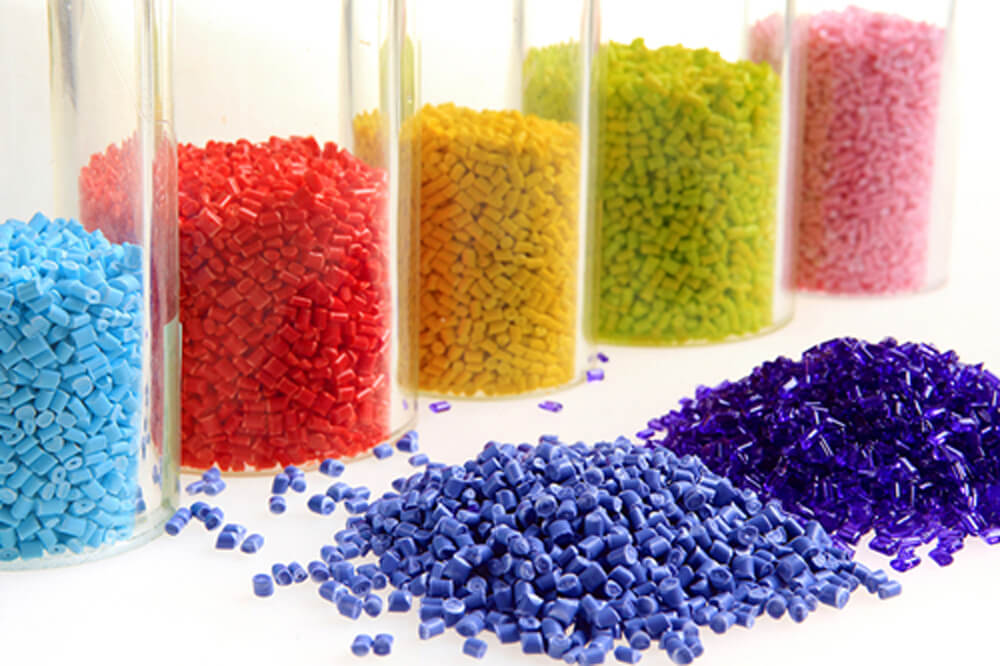
How to determine the quality of "plastic masterbatch"? What is the practical value of plastic masterbatch?
Because of the realization of various scientific and technological processes, there will also be more steps for the pro......
-
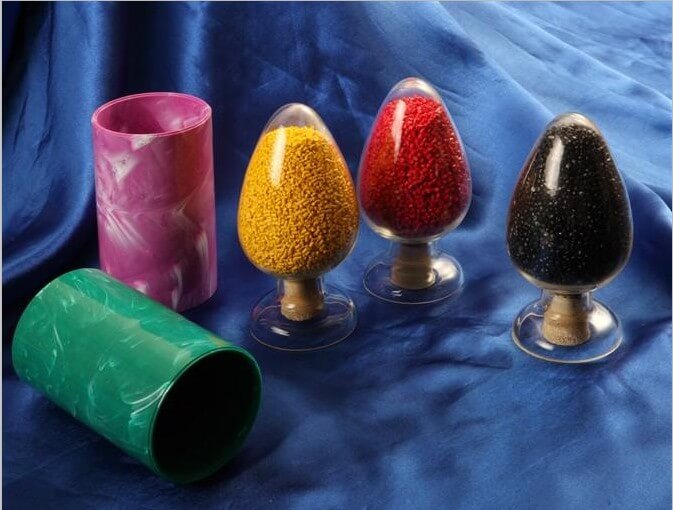
What factors affect the quality of black mother?
In the process of making a product, there are many factors that affect the quality of the finished product, whether it ......
-
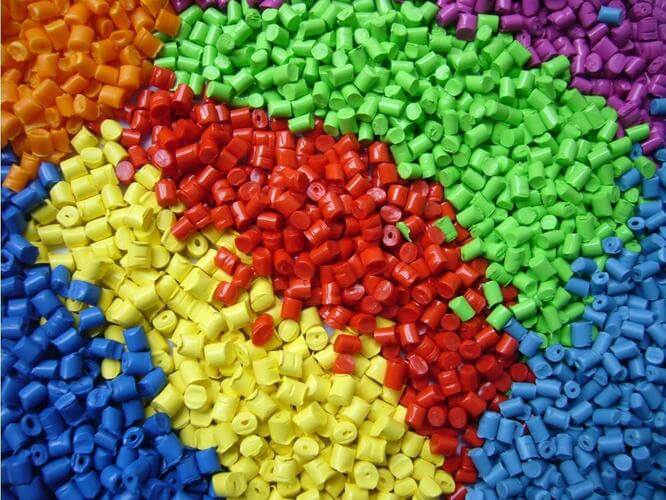
What is the main use of the masterbatch?
The color masterbatch is made of a high proportion of additives and pigments or thermoplastic resins, the plastic paste......
-
What factors can cause the color master to fade?
The application range of color masterbatch is very wide, as long as it is basically plastic is needed, sometimes in use......
Quality article recommendation
-
How to determine the quality of "plastic masterbatch"? What is the practical value of plastic masterbatch?
Because of the realization of various scientific and technological processes, there will also be more steps for the pro......
-
What factors affect the quality of black mother?
In the process of making a product, there are many factors that affect the quality of the finished product, whether it ......
-
What is the main use of the masterbatch?
The color masterbatch is made of a high proportion of additives and pigments or thermoplastic resins, the plastic paste......
-
What factors can cause the color master to fade?
The application range of color masterbatch is very wide, as long as it is basically plastic is needed, sometimes in use......